


Sorry, no sales person is available right now to take your call. Pls leave a message and we will reply to you via email as soon as possible.
Ceramic Substrate Selection FAQ: A Comprehensive Guide to Materials, Processes, and Costs
2026-07-31
Ceramic substrates are critical load-bearing materials for power semiconductors, optoelectronic devices, and high-frequency components. The choice of material and metallization process directly impacts heat dissipation efficiency, thermal cycle reliability, current-carrying capacity, and significantly influences project cost and production yield. In practice, missteps such as material mismatch leading to thermal runaway, process errors causing delamination and cracking, and cost estimation errors resulting in budget overruns are common occurrences.
This article is structured as a practical engineer's FAQ, systematically outlining industry-standard selection logic, typical application scenarios, and key pitfalls to avoid, covering the mainstream fields of consumer electronics, industrial power supplies, new energy vehicles, and rail transit. The analysis is divided into three dimensions: material properties, process suitability, and cost management.
Part 1: Materials – Selection Logic for the Three Mainstream Ceramic Substrates
The most widely used ceramic substrate materials in volume power packaging production are Alumina (Al₂O₃), Aluminum Nitride (AlN), and Silicon Nitride (Si₃N₄). Their performance, reliability, and cost gradients differ significantly. Precisely matching the material to the application requirements is the primary selection principle.
Q1: Comparison of core parameters and selection guidance for the three ceramic materials
At room temperature (25°C), the key performance indicators and cost positioning are as follows:

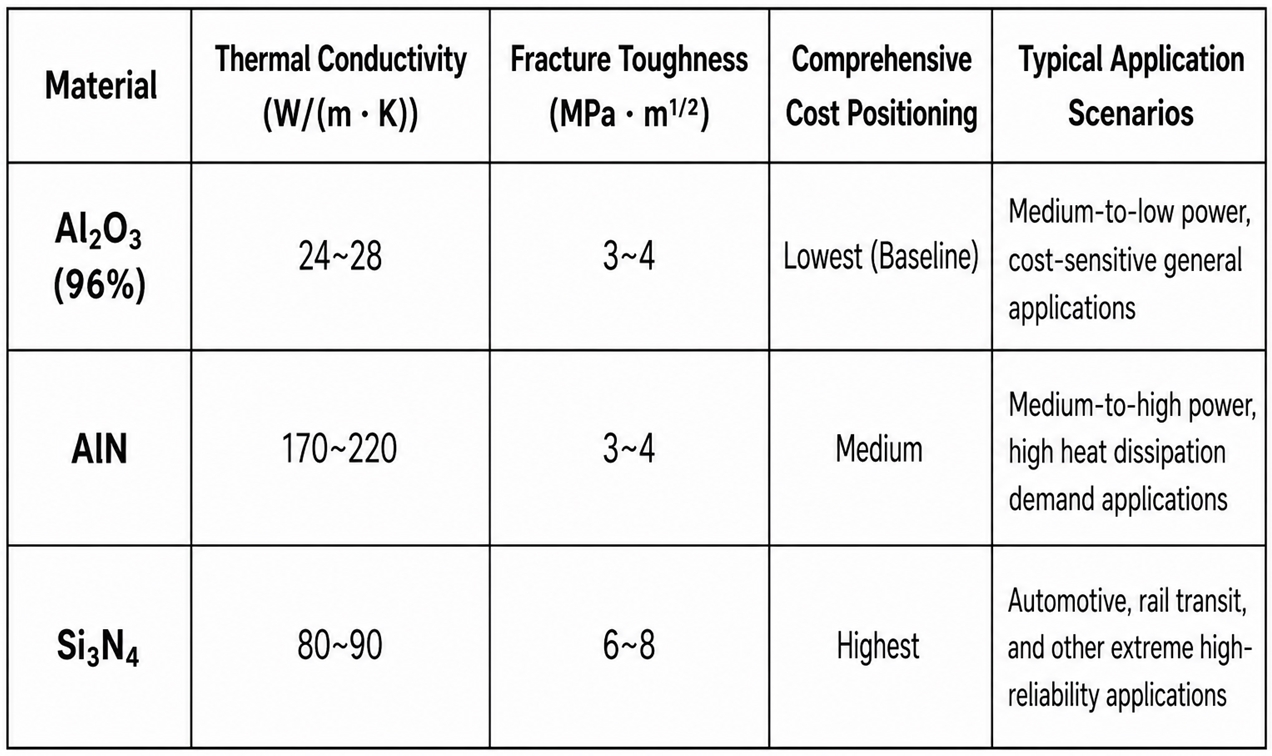
Selection Mnemonic: For conventional power and cost priorities, choose Alumina. For high heat flux density where heat dissipation is paramount, choose AlN. For severe temperature fluctuations and long-term durability requirements, choose Silicon Nitride.
Q2: AlN has far superior thermal conductivity to Al₂O₃, so why does Alumina still dominate the market?
Excess performance is often unnecessary; cost-effectiveness and manufacturing maturity are the keys to mass production viability.
· Performance is "Good Enough": In small to medium power scenarios, heat flux density is typically below 50 W/cm². Al₂O₃'s 24-28 W/(m·K) is fully adequate for power supplies, standard LEDs, and consumer power devices, posing no thermal bottleneck.
· Significant Cost Advantage: The unit price of Al₂O₃ substrates is roughly 1/3 to 1/5 that of AlN. Moreover, the DBC (Direct Bonded Copper) process is most mature and reliable on Al₂O₃, offering high yield and good process tolerance, making it far more economical for volume production.
· Clear Upgrade Threshold: Only when the heat flux density consistently exceeds 50 W/cm², or when heat dissipation becomes the primary cause of system failure, should one consider switching to AlN.
Q3: Si₃N₄ is the most expensive. What scenarios make it a "mandatory" choice?
Despite its lack of cost-effectiveness, Si₃N₄ is irreplaceable in ultra-high-reliability applications. Its fracture toughness is roughly double that of Alumina or AlN, enabling it to withstand severe thermal shock from -40°C to 150°C, effectively suppressing substrate cracking and copper layer delamination.
Mandatory Use Cases:
· Automotive-grade SiC power modules (for electric vehicle traction inverters and on-board chargers)
· Rail transit traction converters
· Other equipment requiring stringent thermal cycle life tests
In these applications, standard ceramic materials fail reliability validation, making Si₃N₄ the only proven option.
Q4: Beryllium Oxide (BeO) has excellent thermal conductivity. Why is it being phased out by the industry?
BeO's thermal conductivity can reach 250-300 W/(m·K), outperforming AlN. However, its fatal flaw is the high toxicity of beryllium and its compounds. Throughout its lifecycle – from cutting and grinding to waste disposal – beryllium-containing dust poses an irreversible threat to personnel health, violating modern industrial safety and environmental regulations.
Currently, BeO is retained only in a very few specialized custom applications, such as certain military or aerospace projects. Its use is prohibited in civilian and industrial projects.
Part 2: Processes – Precision Suitability of DBC / AMB / DPC Metallization Technologies
Once the substrate material is selected, the metallization process determines circuit precision, bond strength, current-carrying capacity, and long-term reliability. The mainstream volume production processes are DBC, AMB (Active Metal Brazing), and DPC (Direct Plated Copper). Their application boundaries are distinct and not simply interchangeable.
Q5: Core Parameters and Selection Criteria for DBC, AMB, and DPC

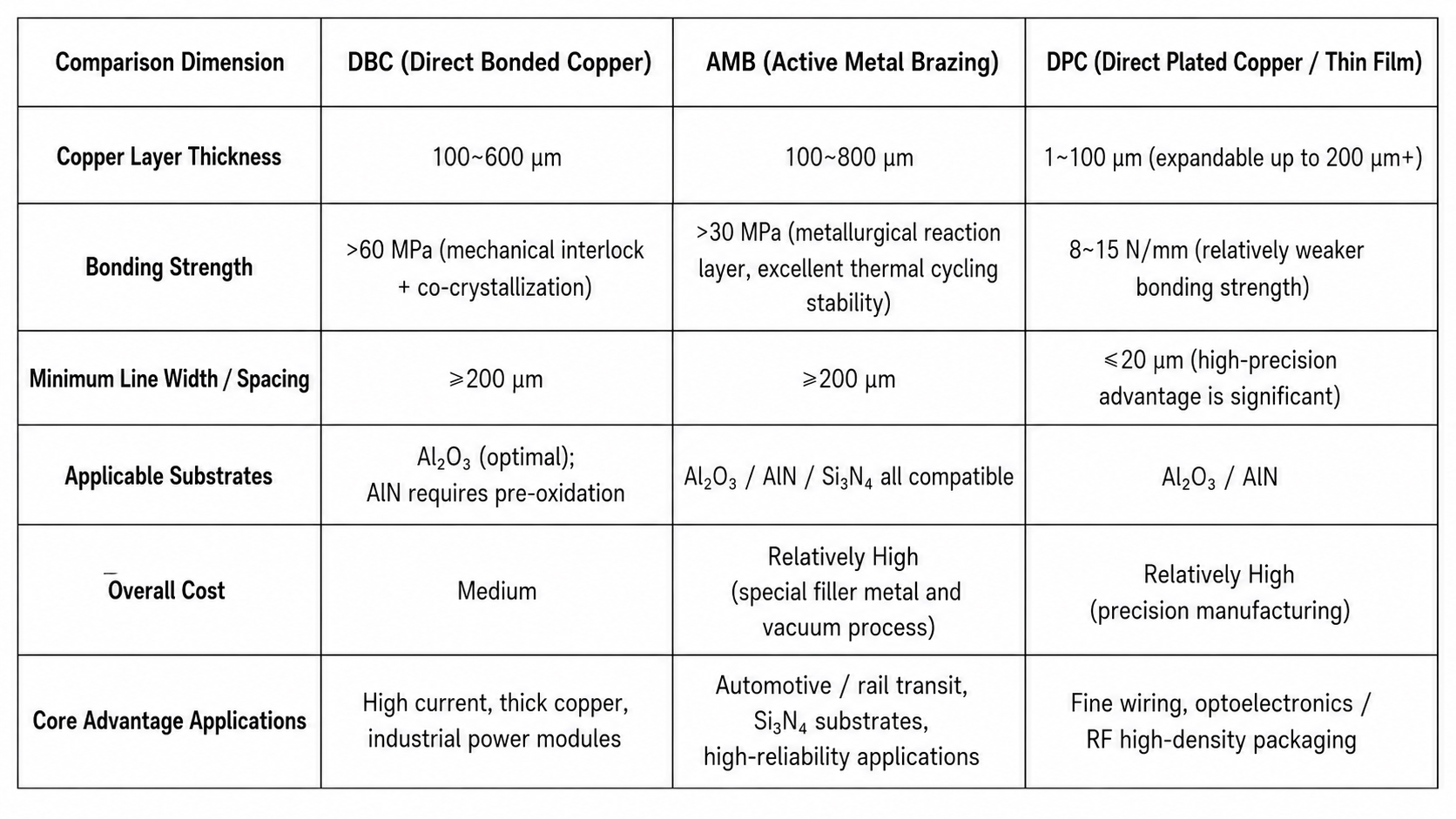
Selection Mnemonic: For thick copper and high current, choose between DBC and AMB as needed. Si₃N₄ mandates AMB. For line widths ≤ 50 μm, only DPC is suitable.
Q6: Is AMB the only viable metallization process for Si₃N₄ substrates?
Yes. AMB is currently the only proven and mature metallization solution for Si₃N₄ substrates for high-reliability applications.
· DBC: Relies on a Cu-O eutectic reaction, which is only effective on oxide ceramics. Si₃N₄ does not form a stable eutectic interface, making the DBC process invalid.
· DPC: The bond strength is relatively low and prone to delamination and copper peeling under long-term thermal cycling, failing to meet automotive-grade reliability requirements.
· AMB: The titanium (Ti) element in the Ag-Cu-Ti active brazing filler reacts with Si₃N₄ to form a stable TiN interfacial layer. This results in a high-strength metallurgical bond, with proven resistance to thermal shock and fatigue.
Q7: Can thick-copper DPC replace DBC? What is the actual relationship between them?
While process advancements enable 200 μm+ thick-copper DPC to cover some small to medium power applications typically served by DBC, they are complementary technologies, not replacements.
· DPC's Core Strength: Ultra-fine line capabilities (≤ 20 μm), ideal for optoelectronics, RF, and high-density integration. However, its interface adhesion strength and long-term high-temperature stability are weaker than DBC, with insufficient tolerance for extreme current and thermal cycling.
· DBC's Core Strength: High bond strength, excellent for high current carrying capacity, and stable under long-term operational stress. However, it cannot achieve fine-line patterning
· Selection Principle: Prioritize DPC for precision, and DBC for reliability and high-current applications. Thick-copper DPC serves as a compromise for applications requiring both precision and moderate power but is unsuitable for extreme operating conditions.
Part 3: Cost – Balancing Performance and Budget
The cost of a ceramic substrate is determined by three main factors: the substrate material, the metallization process, and the production volume. Understanding the cost structure enables precise selection that avoids over-engineering and budget overruns.
Q8: Cost Gradient and Reasons for Price Premiums of the Three Substrate Materials
Using 96% Alumina substrate as the baseline (cost index = 1), the relative costs and reasons for premiums are:

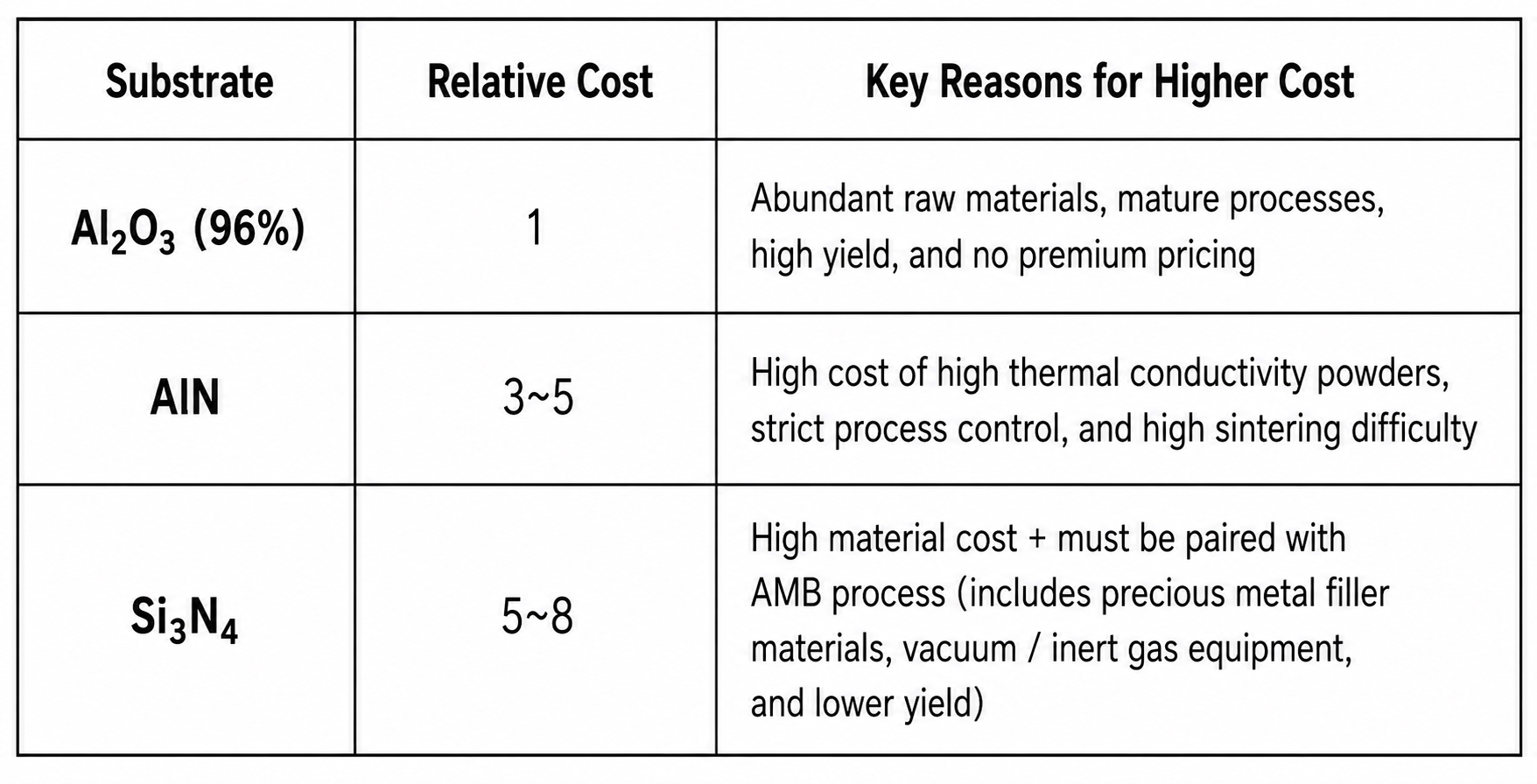
Note: The high cost of Si₃N₄ substrates is not solely due to the substrate material itself; the AMB process's specialized equipment, consumables, and yield losses are the major contributors to the premium.
Q9: In volume production selection, how can one achieve the optimal balance between performance and cost?
For non-extreme applications, three proven cost-reduction paths are recommended:
1. AlN + Pre-Oxidized DBC (instead of AlN+AMB): For industrial high-thermal-conductivity applications that don't require automotive-grade reliability, use AlN substrates with a pre-oxidation step to allow standard DBC processing. This avoids the expensive noble metal brazing materials and vacuum process of AMB while still meeting high heat dissipation requirements.
2. Thick-Copper Al₂O₃-DBC (instead of standard AlN solutions): For medium heat flux densities, increasing the copper thickness from 300 μm to 500 μm on an Alumina substrate can effectively enhance lateral heat spreading and current-carrying capacity. This mitigates the substrate's thermal conductivity limitation at a significantly lower total cost than switching to AlN.
3. Thick-Copper DPC (instead of DBC with secondary processing): For applications needing fine-line precision and moderate power, using 200 μm+ thick-copper DPC eliminates the need for secondary etching processes on DBC substrates, streamlining the process and balancing precision with cost.
Q10: Cost Differences Between Small-Volume Prototyping and High-Volume Production, and Cost-Reduction Tips
Non-Recurring Engineering (NRE) costs (e.g., tooling, setup) constitute a very high proportion of ceramic substrate costs, meaning volume has a significant impact on the unit price:

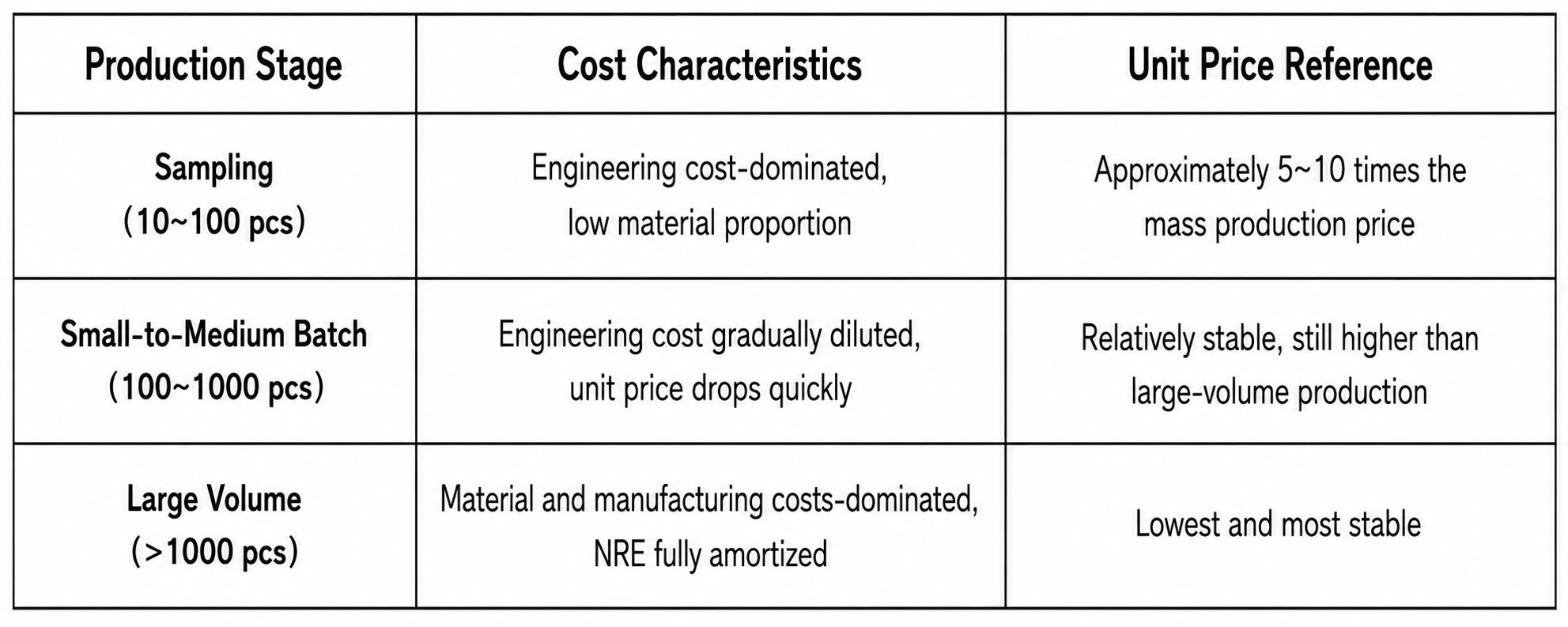
Cost-Saving Suggestion: During the prototyping phase, don't overly fixate on the unit substrate price. Prioritize verifying if the supplier offers a policy where the prototyping NRE fees can be credited towards future mass production orders. This effectively amortizes the initial R&D investment and avoids wasteful spending.
Part 4: Kinji's Ceramic Substrate Core Capabilities at a Glance
Kinji provides a one-stop service for ceramic substrates covering all materials, all processes, and all stages (from prototyping to pilot runs to mass production), quickly matching diverse needs in consumer, industrial, new energy, optoelectronics, and RF applications.

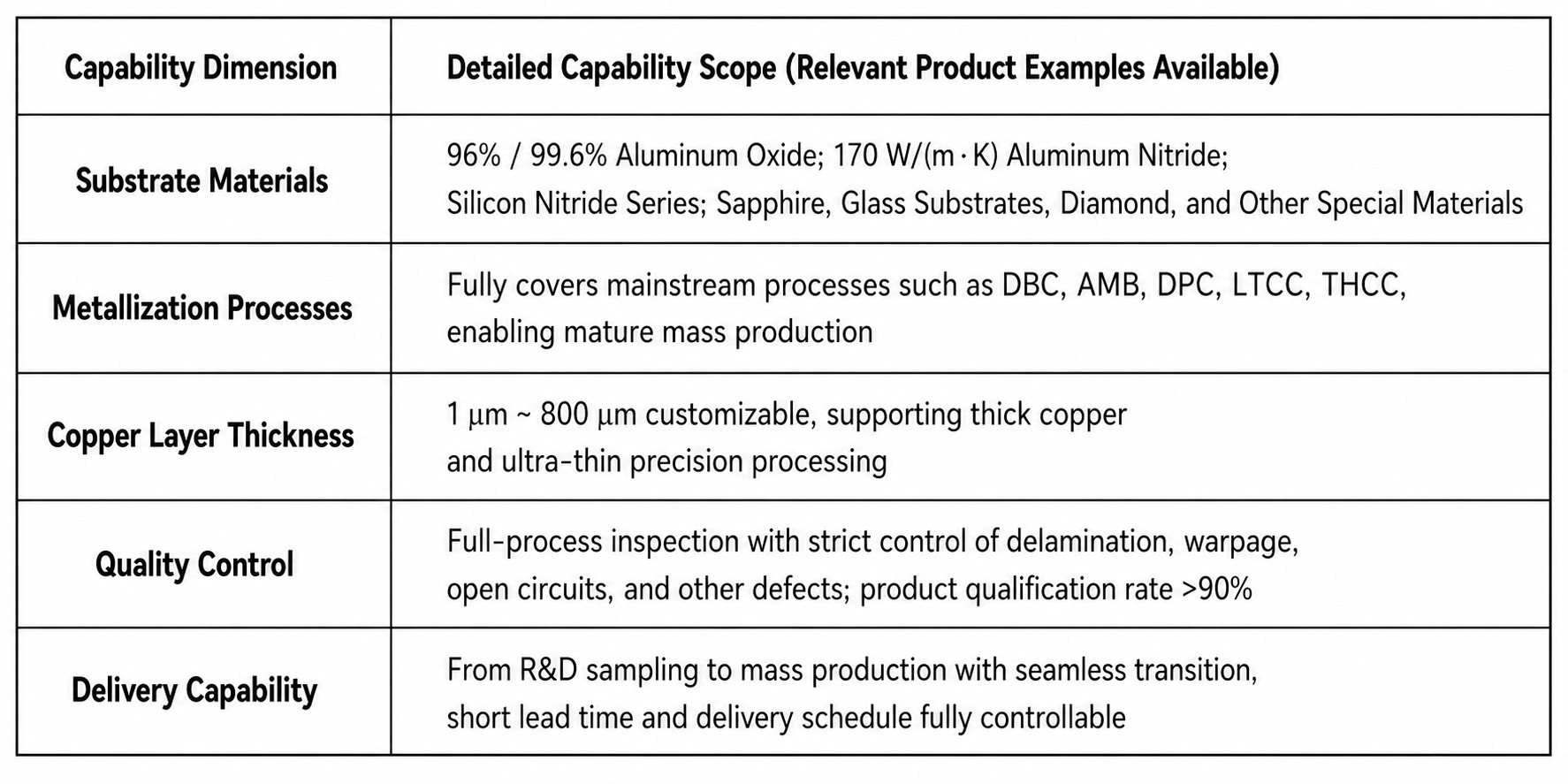
If you have specific project selection, process evaluation, or quotation needs, please provide your design parameters and operating conditions. We are committed to providing a tailored process solution and an accurate quotation on the same day to help ensure the efficient execution of your project.

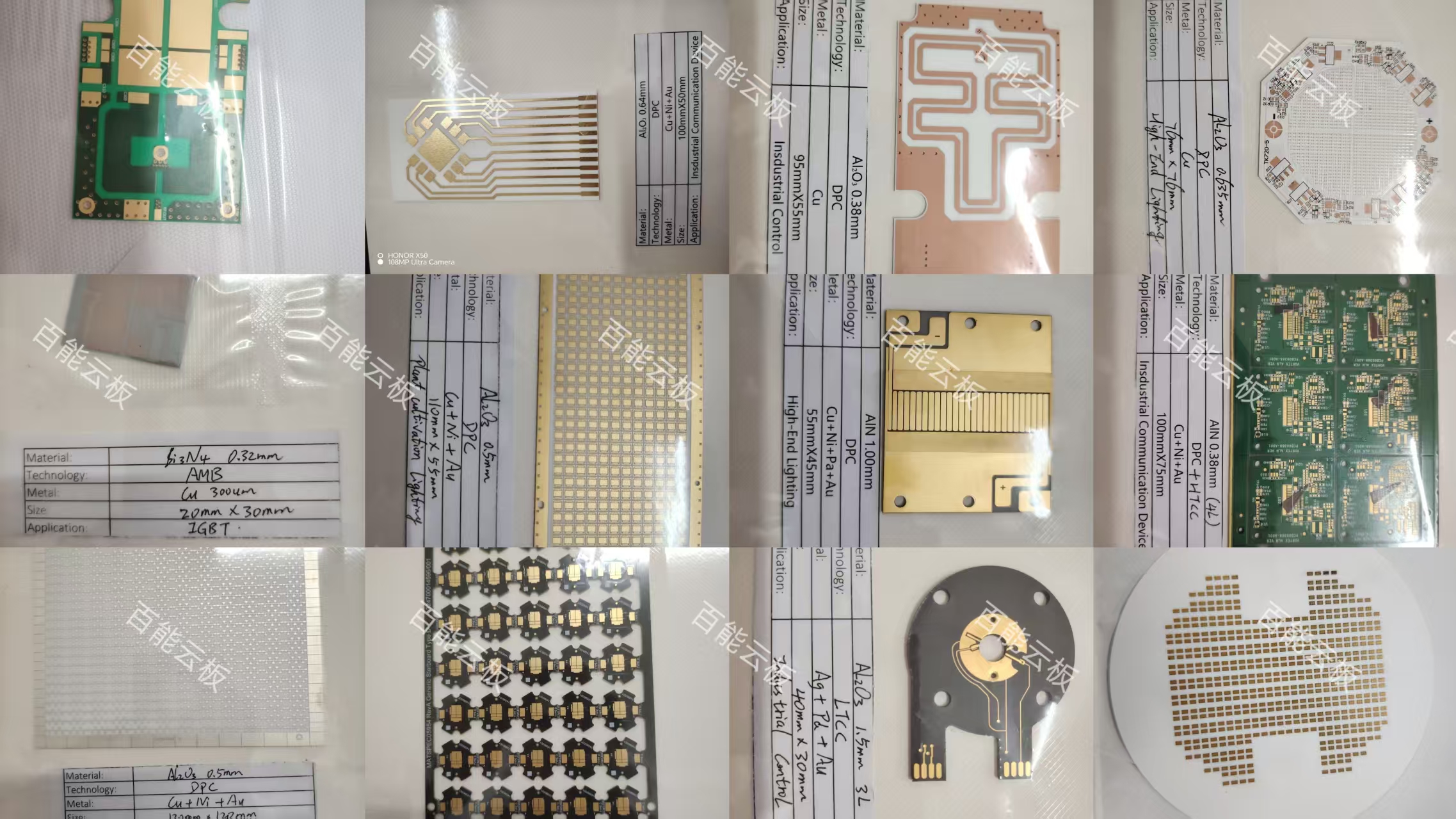
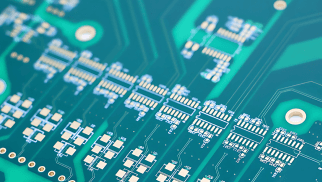
Kinji Some Ceramic Substrate Products Display
trending news
Contact Us